
AI has changed product marketing permanently. Summarizing interviews, writing copy, and researching competitors and markets now take minutes instead of hours. That doesn't make product marketers less valuable. It changes what they're valued for. For a broader look at this shift, see How AI is Transforming Product Marketing.
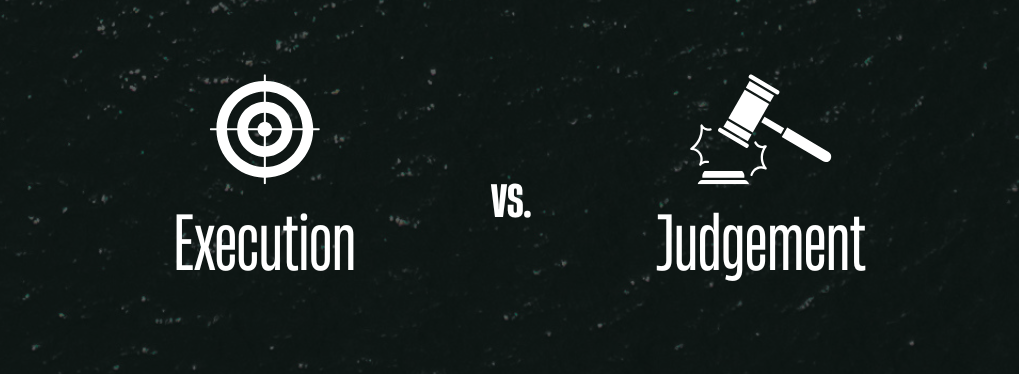
Execution is becoming commoditized. Judgment isn't. AI isn’t taking product marketing jobs from strong PMMs. It’s coming for mediocre ones.
The best PMMs aren't competing with AI. They're using it to spend less time producing work and more time making decisions that AI still can't.
Where AI Saves Time
AI is a great assistant for product marketers, not a replacement. It is excellent at processing information. The challenge begins when that information needs to be interpreted, prioritized, and transformed into strategy.

Interview Summaries
I once had a client who asked me to create more than 20 personas across two different business units. I conducted dozens of interviews with internal stakeholders, customers, and former customers turned employees to use as the foundation.
AI summarized all of the interviews and captured themes, saving hours of administrative work. The problem was that the summaries didn’t tell a story. Reading the transcripts uncovered golden nuggets that AI completely missed. AI summarized what was said. It didn’t understand what mattered.
The final personas were built from experience, context, and judgment, not AI summaries.
Content Creation
Content creation is probably one of the most common AI use cases today. Whether starting with a blank page or editing an existing draft, AI dramatically reduces the time required to write homepage copy, blogs, product launch emails, presentations, sales collateral, and more.
It saves a lot of time but there are many challenges. The copy is usually grammatically correct and pleasant, but it is also remarkably forgettable. The language is often generic and AI-washed. All of the companies in a category start to sound the same.
Great content doesn't just explain a product. It gives buyers a reason to remember it. Best Practices for Effective Copywriting covers this.
Competitive Intelligence
AI can identify a company’s competitors and it can quickly generate market overviews, SWOT analyses, positioning comparisons, feature details, and more. It’s a good starting point but that’s it. Experienced product marketers know to dig deeper.
The biggest competitors aren't always the obvious ones. Companies often compete against adjacent solutions, internal processes, or products that only overlap in specific use cases. AI can't reliably distinguish between a company listed in Gartner and the competitors that sales teams actually lose deals to every week.
Competitive analysis still requires industry knowledge.
Market Research
AI is also useful for getting up to speed on new industries. It can explain market trends, summarize categories, identify major vendors, and quickly help product marketers gain a working knowledge of unfamiliar markets.
The starting point is valuable but it’s rarely enough. Using market research to understand an industry and teaching sales teams how to compete in that industry are two very different things.
There’s an old learning model: Learn. Do. Teach.
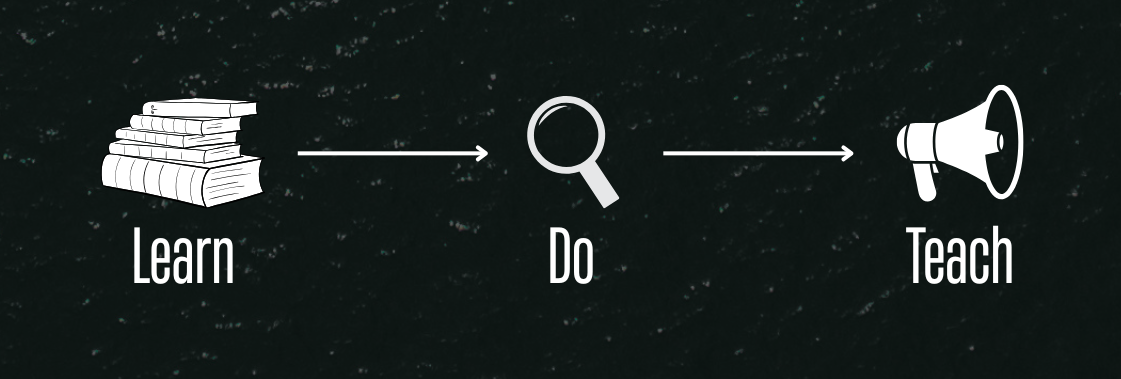
AI helps product marketers learn. They need experience to do. With both, they can teach with confidence.
Where AI Still Falls Short
AI can automate many product marketing tasks, but automation isn't the same as judgment. As capable as AI has become, there are still areas where it consistently falls short.

Safe Positioning
One of AI's greatest strengths is also one of its biggest weaknesses. It optimizes toward consensus. Ask AI to position almost any product and it will produce a balanced, reasonable answer that offends no one.
Strong positioning isn't balanced. It makes choices. It decides who the product is for, who it isn't for, which competitors matter, and which value propositions deserve attention. It says, "This is the hill we're willing to die on."
That requires conviction. Conviction still comes from people.
Broad Ideal Customer Profiles
Ideal customer profiles generated by AI tend to look remarkably similar. They're broad. They're logical. They're difficult to argue with. The best ICPs aren't built from industry descriptions. They're built from experience.
Customer Success organizations have customer experience stories. Sales teams have win/loss data. Product groups have Net Promoter Scores. Together, patterns begin to emerge that don't exist in public data. Those patterns shape better positioning, better messaging, and ultimately better products.
AI can describe an audience. Experience defines the right one.
Pleasant, Forgettable Messaging
Most AI-generated messaging sounds...nice. It's optimistic. It's complimentary. It avoids conflict. That’s not reality.
Sometimes products trail competitors. Sometimes pricing is challenging. Sometimes a category is crowded and differentiation is hard.
Product marketing isn't about pretending those challenges don't exist. It's about finding the most credible, believable story despite them.
The companies that stand out rarely have the safest messaging. They have the clearest point of view. AI isn't very good at having one.
Reality Over Hype
Every company wants to believe its products are revolutionary. The reality is, many products are still catching up.
Most product marketers have worked on products with feature gaps, aging technology, or commercial challenges. Those realities don't disappear because AI rewrote the copy. Left on its own, AI tends to overstate strengths and underplay weaknesses. The result is messaging that sounds impressive but lacks credibility.
The strongest product marketers know that trust is built through honesty. They position products around genuine strengths, acknowledge limitations when appropriate, and create messaging customers actually believe.
Credibility wins far more often than smoke and mirrors.
How Smart Product Marketers Should Use AI
Every product marketer should be using AI. The competitive advantage no longer comes from using it, it comes from knowing where to stop using it. Use AI to summarize interviews, but read the transcripts. Use AI to draft messaging, but write the positioning yourself. Use AI to research competitors, but validate the findings. Use AI to automate execution so more time can be spent making strategic decisions.
The more product marketers rely on AI to think for them, the more replaceable they become. The more they use AI to remove repetitive work, the more valuable they become.
Execution is becoming commoditized. Judgment is not.
FAQ
Is product marketing being replaced by AI? No, AI replaces mediocre execution, not judgment. Strong PMMs use AI to move faster on research and drafts, then apply experience to decide what matters.
What can AI actually do well in product marketing? AI is strong at summarizing interviews, drafting first-pass copy, and generating quick competitive and market overviews.
Where does AI fall short in product marketing? AI struggles with taking a strong, differentiated position, building ICPs from lived experience, and being honest about a product's weaknesses.
Want an outside read on your own positioning before AI drafts it for you? Talk to us about positioning & messaging.